
- Residential
Smart Home Mistakes That Make Life Harder
Details
Share this post
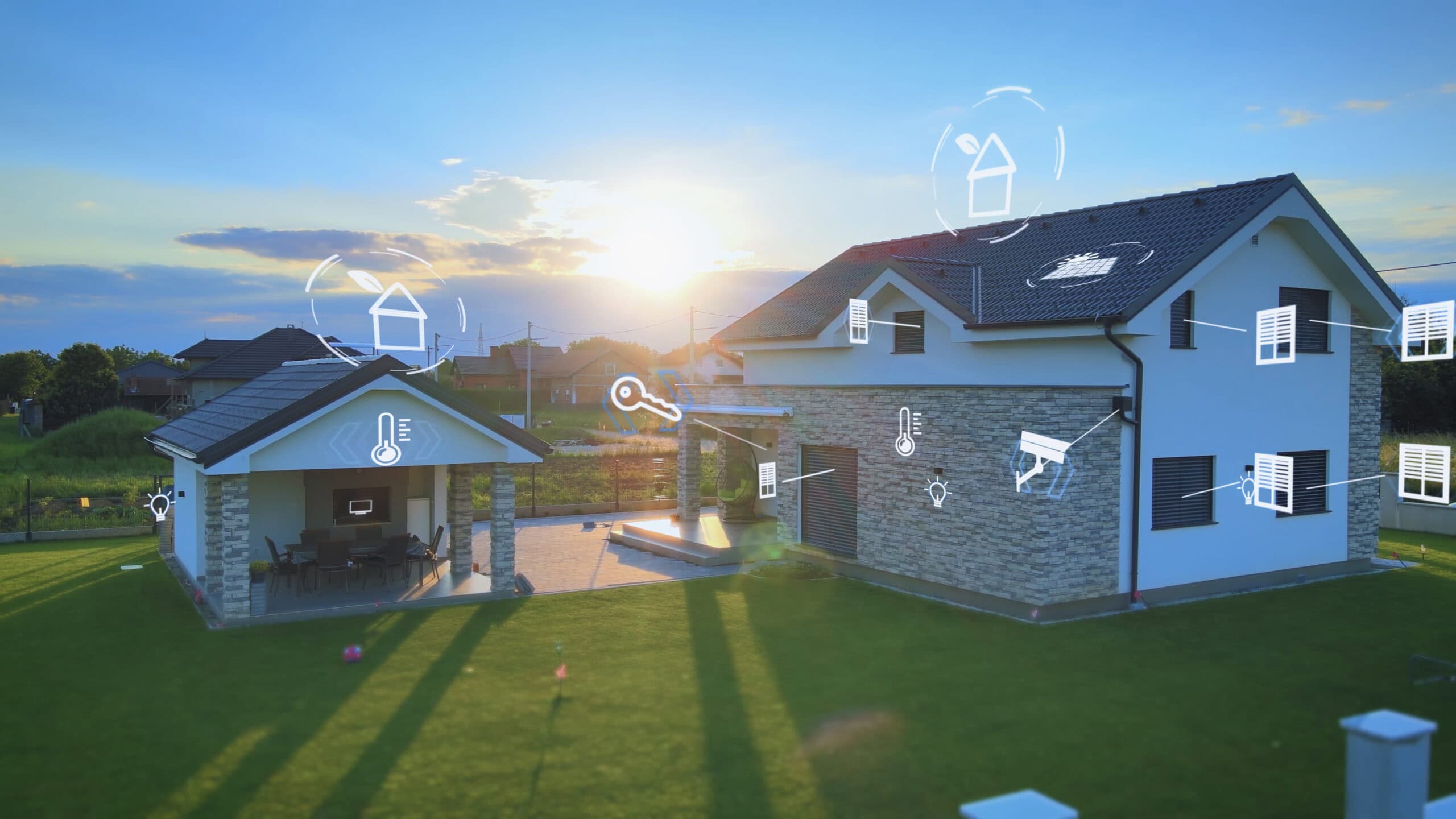
A smart home that works is invisible. You barely notice it. The lights come on when you walk in. The temperature is always comfortable. The shades open in the morning. The garage door knows to close behind you. The house just runs.
A smart home that does not work is a daily frustration. Five different apps. Devices that lose connection. Voice assistants that misunderstand. Lights that turn on at the wrong time. Things that worked yesterday but stopped working today.
The difference between the two is rarely about the equipment. It is almost always about how the system was designed and installed. Here are the most common mistakes we see, and how to avoid them.
Buying Devices First, Planning Second
Most smart homes that frustrate their owners started the same way. Someone bought a smart speaker. Then a smart bulb. Then a smart thermostat. Then a video doorbell. Then a few cameras. Each one bought on its own, each one set up on its own.
The result is a collection of devices, not a system. Each one works fine in isolation. They do not talk to each other. The user ends up with five different apps to manage their own house.
A real smart home starts with a plan. What do you want the house to do? What scenes are useful? What automations actually save time? Once you know what the system needs to do, the device choices follow naturally. Buying first and planning second is the most common path to a frustrating setup.
Cheap Wi-Fi
Smart devices live on the network. Every light, switch, thermostat, camera, and speaker is talking to your router. A home network that worked fine for browsing email is rarely the network you need for a serious smart home.
Dead spots cause devices to drop offline. Bandwidth bottlenecks cause delays. Old routers run out of capacity. The smart home that works in the living room stops working in the basement, then the bedroom, then the kitchen.
The first step in any serious smart home install is fixing the network. Mesh systems, properly placed access points, hard wired backhaul where it matters. Without that foundation, every device added to the system just makes the problem worse.
Too Many Voice Assistants
Some clients have an Echo in the living room, a Google speaker in the kitchen, an Apple HomePod in the bedroom, and three different ecosystems they are trying to keep in sync. Each one understands a different set of commands. Each one controls a different set of devices.
Pick one. Stick with it. Buy devices that work with it. Voice control is great when it works, but the only way it works is by committing to a single ecosystem and building everything around it.
Automations That Sound Cool But Annoy You
Some of the most common automations new smart home owners set up are the ones they end up disabling first. Lights that turn on the moment you walk into a room and immediately go off when you sit still for thirty seconds. Thermostats that adjust constantly. Music that follows you from room to room and never quite hits the volume you want.
Cool in a demo. Annoying in real life.
Good automations are the ones you do not notice. The thermostat that is at the right temperature when you wake up. The lights that come on at dim levels in the morning before the sun is up. The garage door that closes automatically after you leave. These are the ones that save time without getting in the way.
No Plan for What Happens When Something Breaks
Every smart home will have something break. A device that goes offline. A bulb that needs replacing. An update that changes how something works. The question is not whether it will happen, but what happens when it does.
A well-designed smart home has documentation. A list of devices, what they are called, what app controls them, how they are integrated. So when something stops working, the fix is straightforward.
A poorly designed smart home is a guessing game every time. Which app is this on? What did the installer call it? Why does this not work the way it did before?
Smart homes that work are designed, installed, and supported by people who know what they are doing. Smart homes that frustrate you are usually the result of pieces collected over time with no plan. The good news is the second can be turned into the first.
Related Posts
 Commercial
 Residential
Home Theater vs Media Room. What You Actually Want.
 Buyer Guides, Commercial