
- Commercial
Why Your Conference Room Needs Better Cameras and Mics, Not a Bigger TV
Details
Share this post
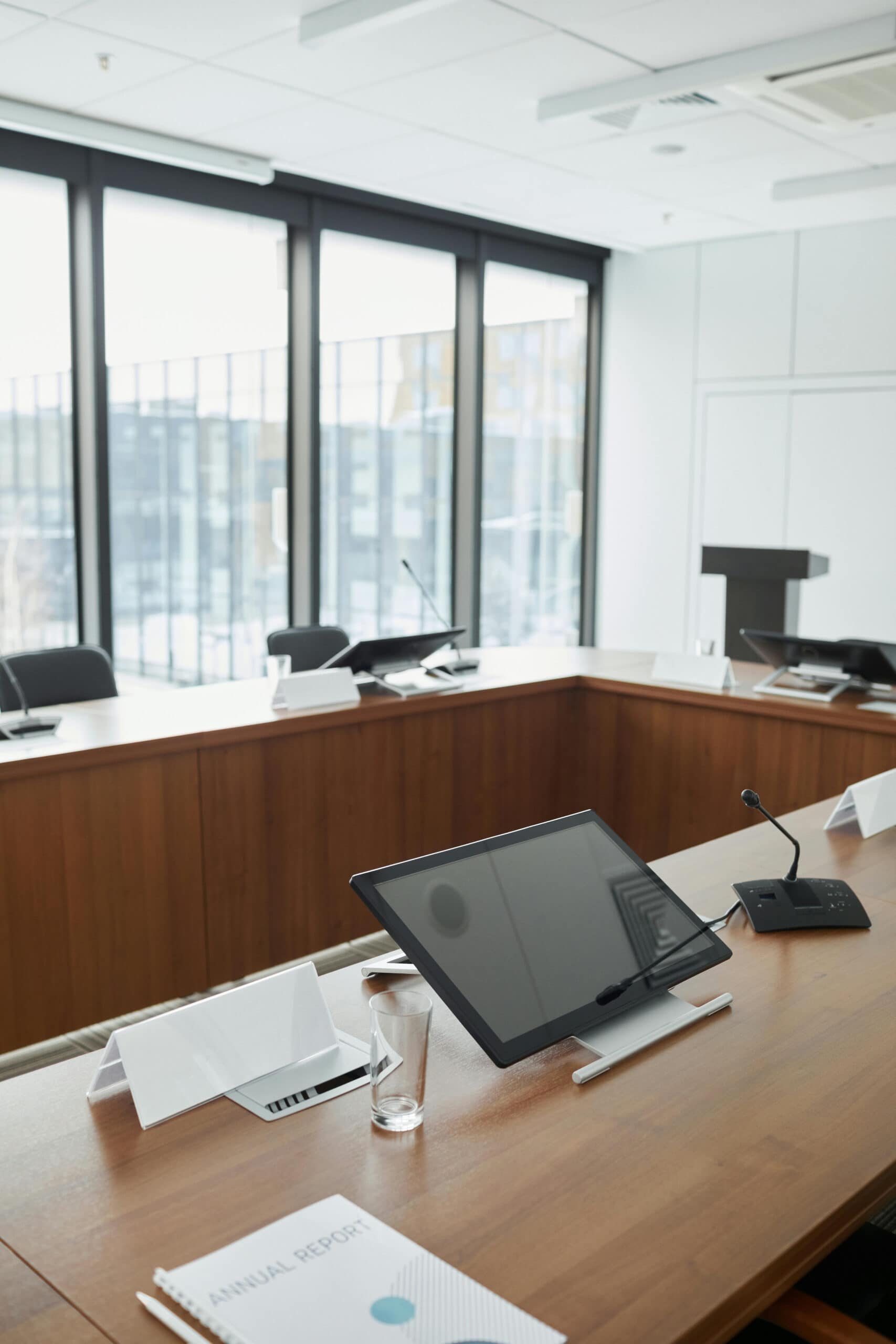
When clients come to us about upgrading their conference room, the first question is almost always about the display. How big should the TV be? Should it be a video wall? What about a projector?
The display is the part everyone notices when they walk into the room. It is also the part that matters least to whether the meeting actually works.
Here is where you should actually be spending your budget if you want a conference room that delivers.
The Display Is the Easy Part
A good 75 to 85 inch commercial display will cover almost any standard conference room. The technology is mature. The price has come down. The quality is excellent across most brands. Pick a reputable commercial-grade display, install it at the right height, and you are done.
There is not a lot of differentiation in displays anymore. Everyone has good ones. The investment matters, but it is not what determines whether the meeting works.
The Camera Determines How You Look
Your team is on camera now. Probably every day. Probably for the most important meetings of the week. The camera in your conference room is the single most important piece of equipment in the room when it comes to representing your business on a call.
A bad camera makes your team look unprofessional. Bad angle. Bad framing. Bad lighting. The remote participants are forming opinions about your company based on how you look on their screen, whether they realize it or not.
A great camera tracks the speaker. Frames the room appropriately. Adjusts to changing lighting. Handles the difference between someone standing at a whiteboard and someone sitting at the table. Picks up the whole team in a wide shot when nobody is presenting.
This is the part that determines whether your team looks like the kind of business people want to work with. The TV in the room does not.
The Microphones Determine If Anyone Can Hear You
The second your remote participants ask someone to speak up, you have a microphone problem. The third time it happens in a meeting, people stop paying attention to what is being said.
Good microphone placement is harder than it looks. Ceiling arrays pick up the whole table evenly but require careful placement. Tabletop microphones work well for small rooms but get messy in bigger spaces. Wireless lavaliers solve some problems and create others.
The right microphones for your room depend on the size, the acoustics, the seating layout, and how the team uses the space. Getting it right requires actual design work, not just buying the most expensive option.
Acoustics Matter More Than You Think
A room with bad acoustics will sound bad no matter how much you spend on microphones and speakers. Glass walls. Hard floors. High ceilings. All of these create echo and reverberation that ruins audio quality.
Acoustic treatment in conference rooms is often the cheapest improvement you can make. A few well placed acoustic panels can transform the sound of a room that previously felt like a tin can. We almost always include acoustic recommendations in conference room designs, and the rooms that take them are always better off.
Where the Budget Should Actually Go
If you have a fixed budget for a conference room upgrade, here is roughly how we would suggest allocating it. Camera and microphone hardware is the largest single category. This is what determines whether the room works. Acoustic treatment is a smaller line item with a disproportionate impact on quality. Display is important but not where the biggest impact lives. Pick a quality commercial display, do not overspend. Control system is what determines whether anyone can actually use the room without training. Cabling and integration is the part nobody sees and everyone benefits from. Do not cut corners here.
Why This Gets Missed
Most clients come in focused on what they can see. The display. The room layout. The look of the equipment. That focus makes sense. You see the display every day. You only think about the camera and microphones when they fail.
The reality is the failure points in a conference room are almost always on the camera and audio side. Display problems are rare. Audio and video problems are constant. The room that performs is the room where the invisible parts have been designed correctly.
If your conference room is not working the way it should, the fix is rarely a bigger TV. It is usually better audio, better video, and a smarter control system. We have designed enough of these rooms to know where the actual problems live.
Related Posts
 Residential
Smart Home Mistakes That Make Life Harder
 Residential
Home Theater vs Media Room. What You Actually Want.
 Buyer Guides, Commercial